

There are no products in the cart!

Heritage Timeline:
Completed in 1966
National Historical Milestone: April 30, 1975
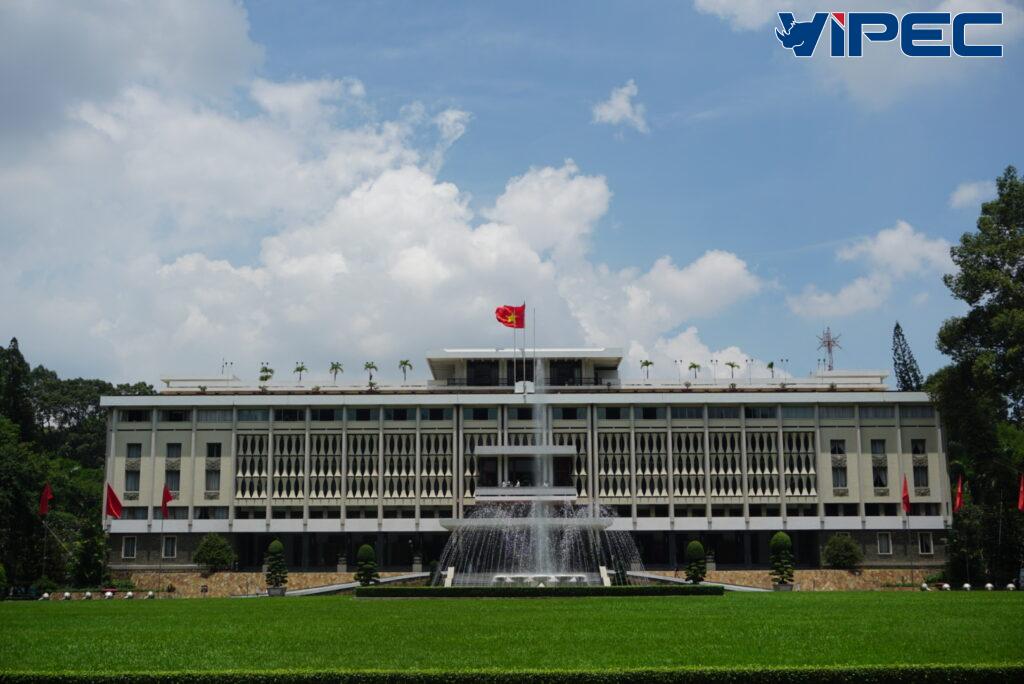
In the heart of Saigon, the Independence Palace is not merely an architectural structure, but a unique historical testament, where power, responsibility, and pivotal decisions for the Vietnamese nation converged.
Originating in 1868, on the site of an old mansion of the French administration, the building once bore many names: Norodom Palace, Governor’s Palace, Governor-General’s Palace, reflecting the country’s tumultuous historical periods. After 1954, the palace was handed over to the Saigon government and officially named Independence Palace – symbolizing the aspiration for self-determination and national sovereignty.
The incident in 1962, when the old palace was destroyed, opened a new chapter:
a new Independence Palace was built right on the old site, designed by architect Ngô Viết Thụ – the first Vietnamese to win the prestigious Grand Prix de Rome.
The building was completed in 1966, embodying profound Eastern philosophy:
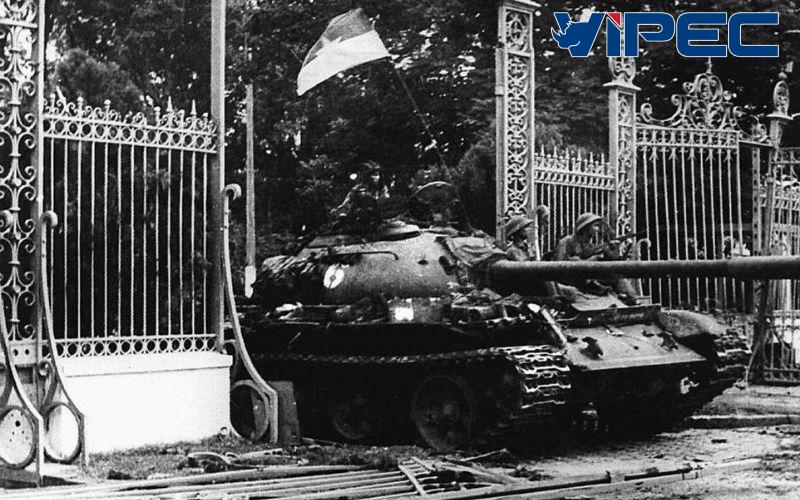
At exactly 10:45 AM on April 30, 1975, tanks of the Liberation Army crashed through the gates of the Independence Palace.
At 11:30 AM, the revolutionary flag flew atop the palace, and the Saigon government announced its unconditional surrender.
That moment marked:
The end of the war
The reunification of the country
The dawn of an era of peace, construction, and development
Since then, the Independence Palace has been known as the Reunification Hall, becoming a symbol of integrity, historical responsibility, and faith in the future.
If the Independence Palace was where policy decisions were made, then after-sales service is the silent force behind it, crucial to the success or failure of every operational journey.
In the field of machinery, equipment, and specialized vehicles:
A good product is not enough
A successful project doesn’t just begin at handover
The true value lies in the after-sales phase:
Just like the Independence Palace – where all logistics, security, and communication systems were meticulously planned to ensure continuous operation, after-sales service is the foundational guarantee for sustainability.
Value Alignment: Major Decisions Always Require Strong Backing
Independence Palace: The operational center, but to exist and operate, it required an entire support system behind it.
After-Sales Service: Not as conspicuous as new products, but it is the factor that keeps machinery operating stably, helping customers confidently develop their production and business.
Both share a common spirit: Responsibility – Durability – Always Present When Most Needed.
Symbolic Meaning
Independence Palace:
A symbol of historical responsibility, of decisions affecting the nation’s destiny.
After-Sales Service:
A symbol of long-term commitment, of trust maintained after every contract.
Not always on the front lines,
but always the support behind.
November Message
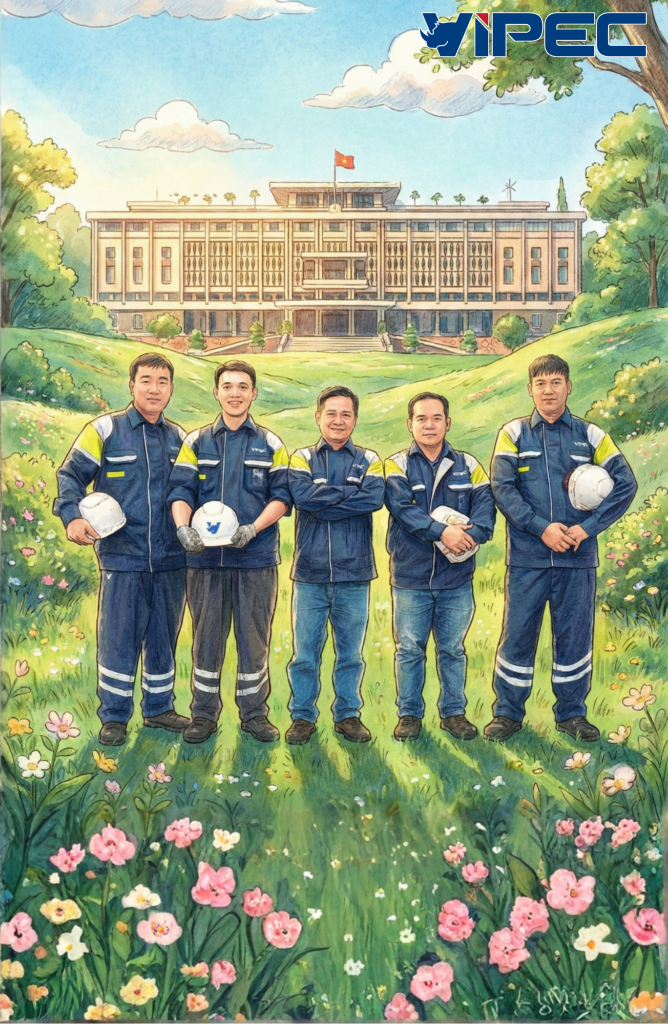
The old palace echoes the voice of the homeland
The backbone steadfastly supports your journey.
03-2026

03-2026

03-2026

03-2026

03-2026