

There are no products in the cart!

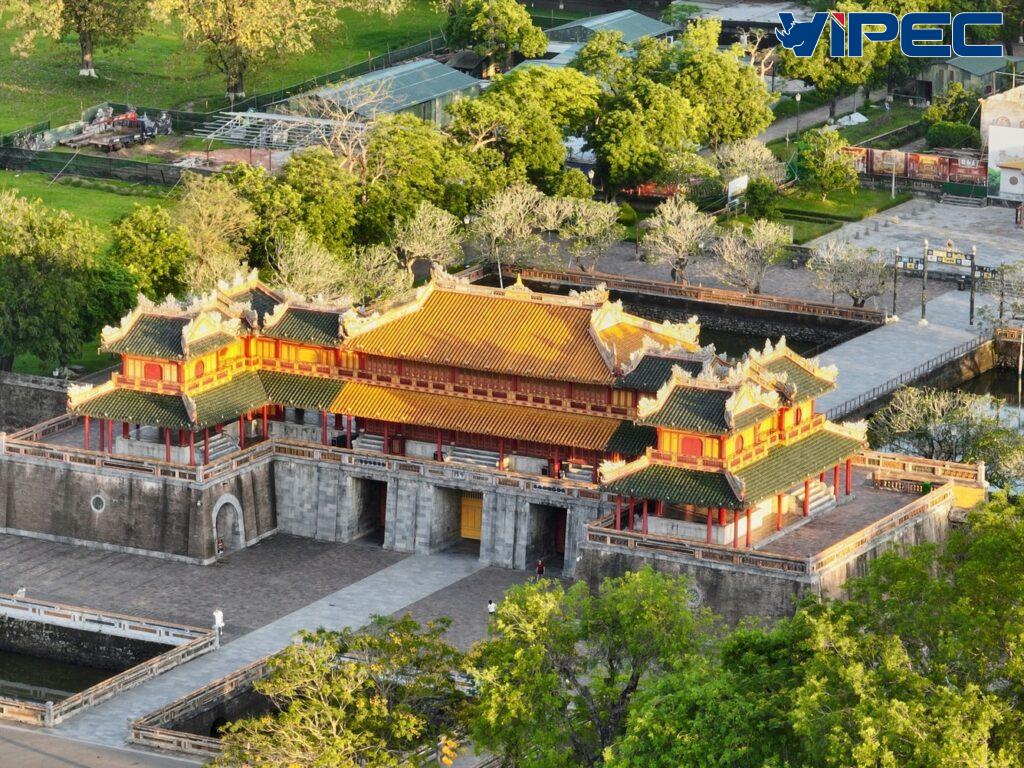
Hue ceased to be the capital in 1945 when Emperor Bảo Đại abdicated, but the historical, cultural, and architectural values of the last imperial capital in Vietnam’s feudal history retain their profound significance to this day. More than just a political center for over 140 years, Hue is also the crystallization of national governance thinking, imperial rituals, and Eastern philosophy of life.
The history of Hue’s formation began very early. In 1306, Princess Huyền Trân’s marriage to King Chế Mân marked a territorial turning point with the two prefectures of Ô and Rí – the precursor to the Thuận Hóa region. Through the Trần, Hồ, and Lê dynasties, this land gradually became a strategic stronghold in the South.
From the 17th century, under the Nguyễn Lords, Phú Xuân – Hue officially became the center of power. In 1802, Emperor Gia Long unified the country, established the Nguyễn Dynasty, and chose Hue as the capital. This decision was based not only on historical factors but also on its central location, harmonious feng shui, and superior defensive capabilities.
Hue Imperial City – A “Comprehensive Work” of Standardized Thinking
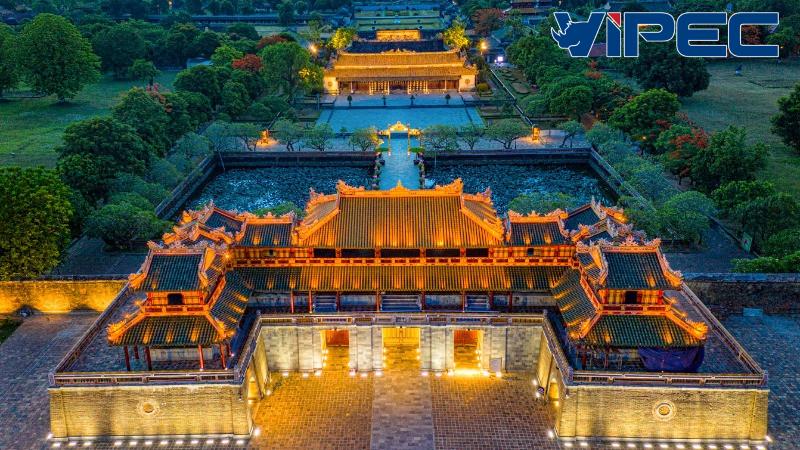
Hue Imperial City was continuously built from the Gia Long to Minh Mạng reigns, spanning over a century. It is one of the very few capitals in Asia that simultaneously combined three ideological systems:
Eastern Feng Shui
Confucian rituals and order
Western Vauban military engineering
Every road axis, city wall, moat, palace, and temple adhered to strict standards. No detail was accidental. This standardization extended to the system of tombs, residences, pagodas, and Hue garden houses – where people lived slowly, disciplined lives, and valued long-term endurance.
Despite enduring wars, natural disasters, and a prolonged period of decline, Hue has been revitalized thanks to international conservation efforts, especially with UNESCO’s companionship since the 1980s. Today, Hue Ancient Capital is not just the memory of a dynasty, but also a cultural benchmark for meticulousness and sustainability.
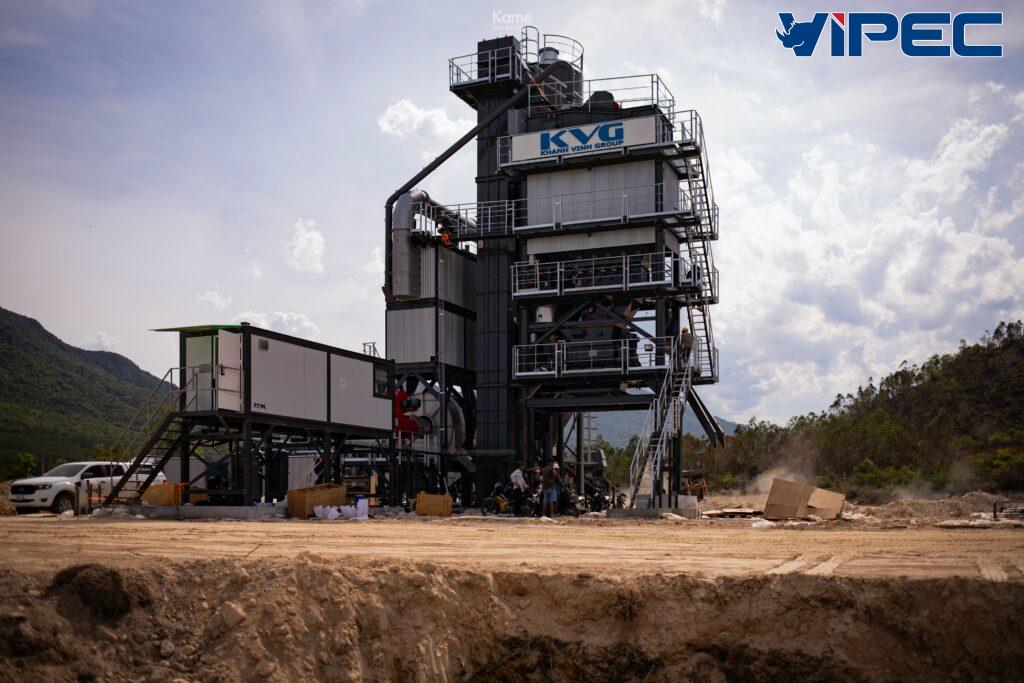
In modern infrastructure construction, an asphalt mixing plant is not merely equipment, but a central hub for coordinating the quality of the entire project. A slight deviation in the mix design can lead to significant consequences for durability, lifespan, and operational safety.
TTM (Tietuo Machinery) mixing plants were established in 2004 with a clear development philosophy: Technology and precision as the core.
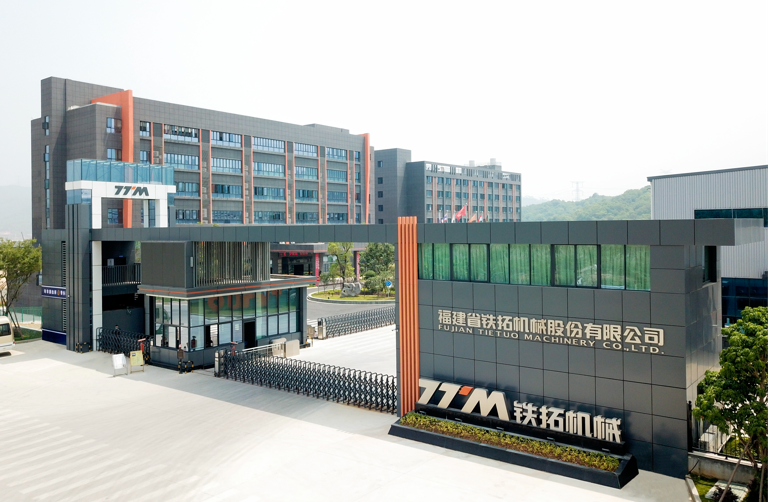
From the first mixing plant series SLB, QLB to the LB, RLB, TS(W) systems, TTM continuously improves its capabilities in:
Over 20 years of development, TTM has contributed to establishing industry standards, exported equipment to over 50 countries, and become a symbol of standardization in the asphalt mixing plant sector.
A profound commonality exists between Hue Ancient Capital and TTM mixing plants:
Sustainability does not come from ostentation, but from discipline and precision.
If Hue built its imperial city with standard axes, standard walls, and standard rituals, then TTM operates its mixing plants with:
Standardized mix design formulas
Standardized control procedures
Internationally standardized stable technology
Both remind us that: A sustainable foundation is always built from meticulousness in the smallest details.
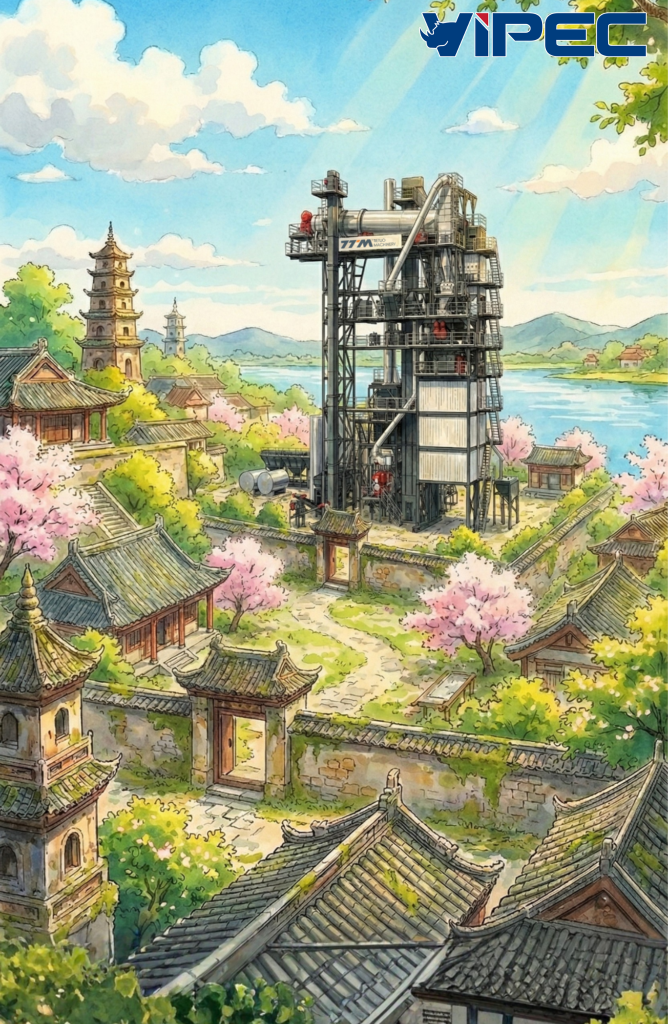
Ancient Hue maintains imperial traditions,
TTM mixes precisely, majestic through all seasons.
July is not about speed or showcasing power.
July celebrates the value of standardization – where every major project begins with a foundation built correctly from the very start.
03-2026

03-2026

03-2026

03-2026

03-2026