

There are no products in the cart!

Lubricating oil (or engine oil) is a type of liquid used to lubricate and protect moving parts in engines and machinery. Lubricating oil helps reduce friction, cool, clean, and protect the engine from corrosion.
🔹 Components:
Lubricating oil typically consists of base oil and additives.Base oil is the main component, which can be mineral oil, synthetic oil, or semi-synthetic oil.additives are added to improve the oil’s properties (such as anti-wear, anti-rust, etc.)
🔹 Main Functions:
Reduce friction between metal surfaces.
Cool the engine, prevent overheating.
Clean dirt and soot.
Prevent corrosion, extend machinery lifespan.
a. Base Oil
Base oil refining process:
Crude oil → Fractional distillation → FO, DO, gas → Mineral base oil → Commercial lubricating oil
= Finished Lubricating Oil
⚬Groups I, II, III: Mineral – common, easy to blend.
⚬Groups IV, V: Synthetic – high performance, good thermal stability.
⚬Group VI: New technology – ultra-high performance.
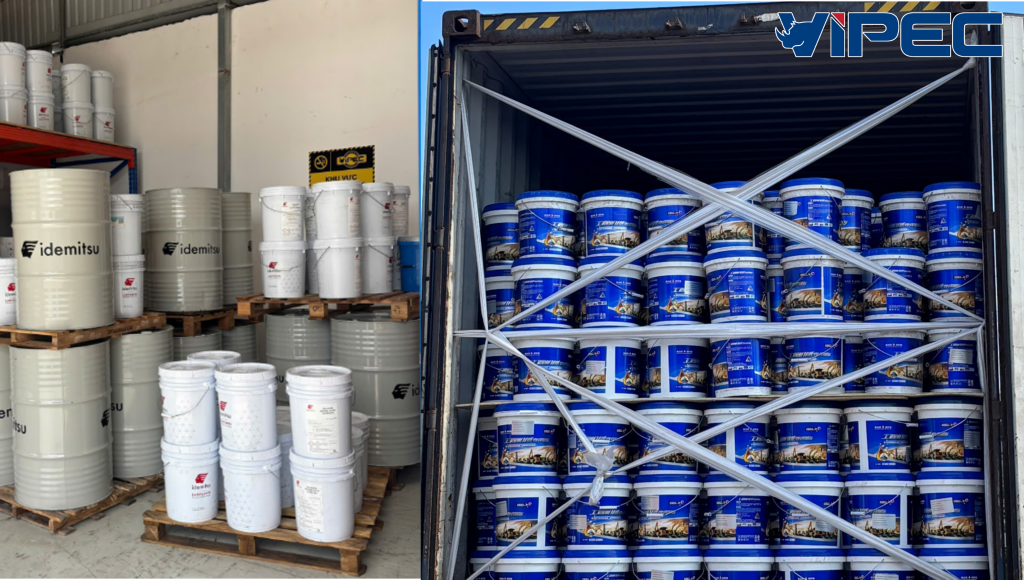
Vietnam cannot produce base oil, due to the characteristics of crude oil from fields like Bach Ho, which is gas- (gasoline) oriented rather than yielding mineral base oil.
b. Synthetic Oil
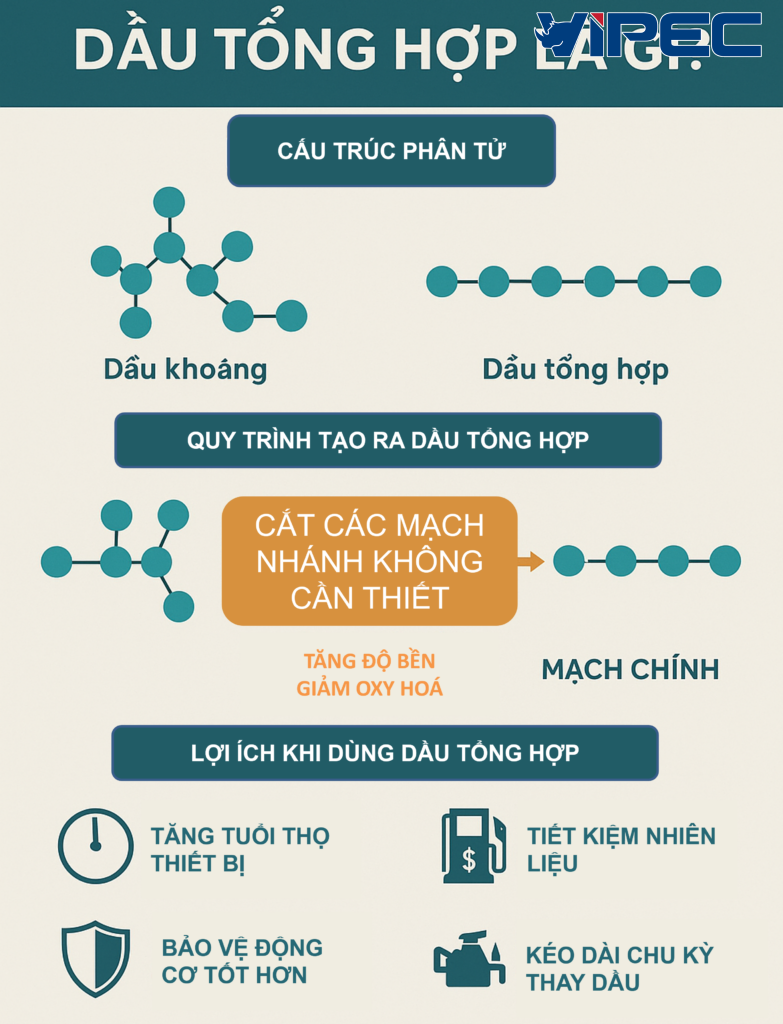
Synthetic oil is a type of lubricant produced by chemical synthesis from basic compounds, rather than merely refining from crude oil like mineral oil.
The process of creating synthetic oil includes:
c. Semi-Synthetic Oil
Semi-synthetic oil (Semi-Synthetic Oil or Part-Synthetic Oil) is a type of lubricating oil blended from mineral base oil and synthetic base oil in a specific ratio, usually 20–40% synthetic + 60–80% mineral.
d. Finished Oil
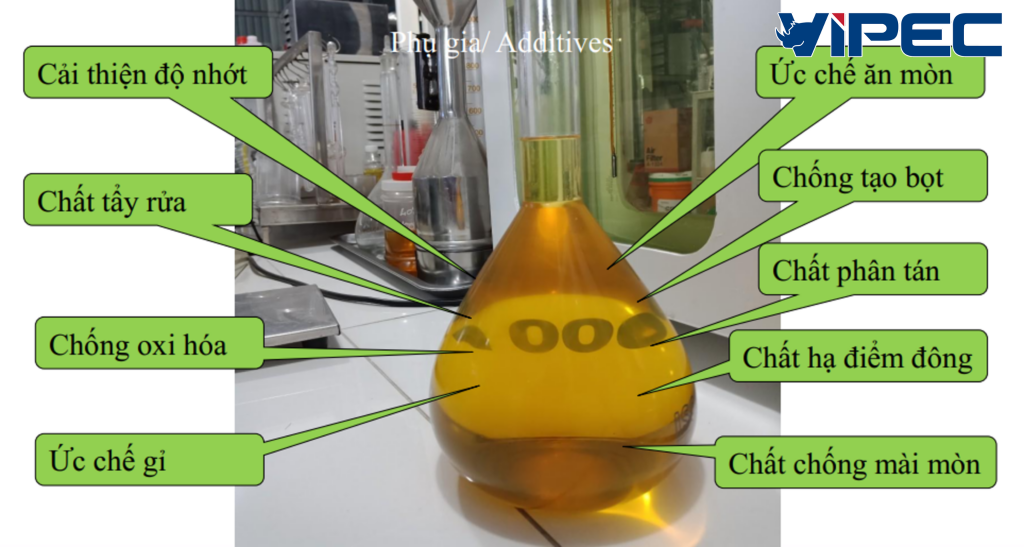
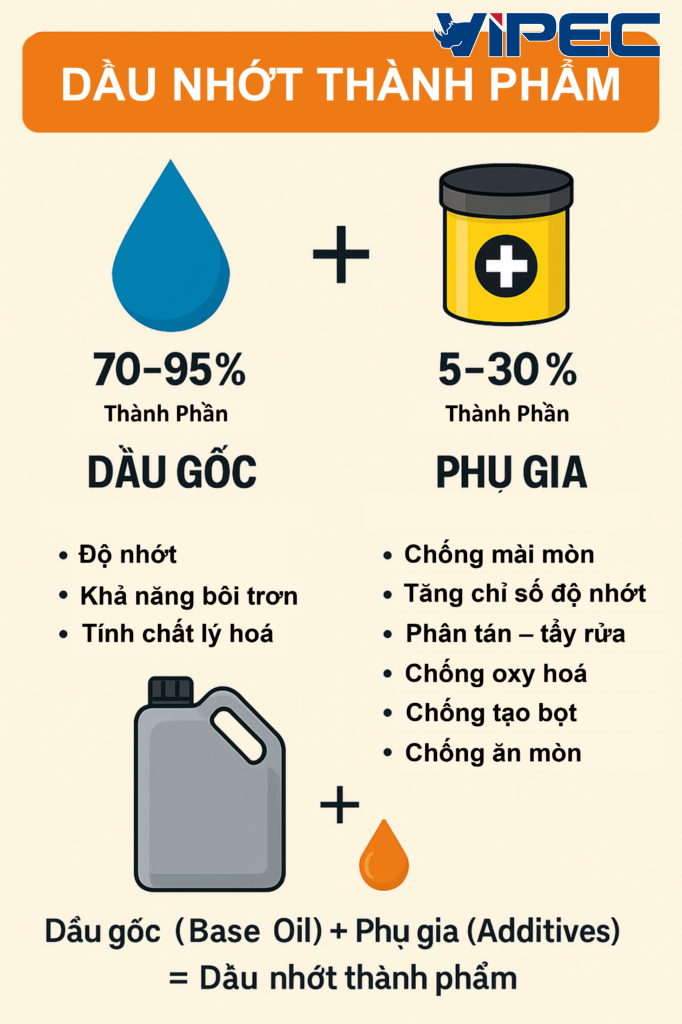
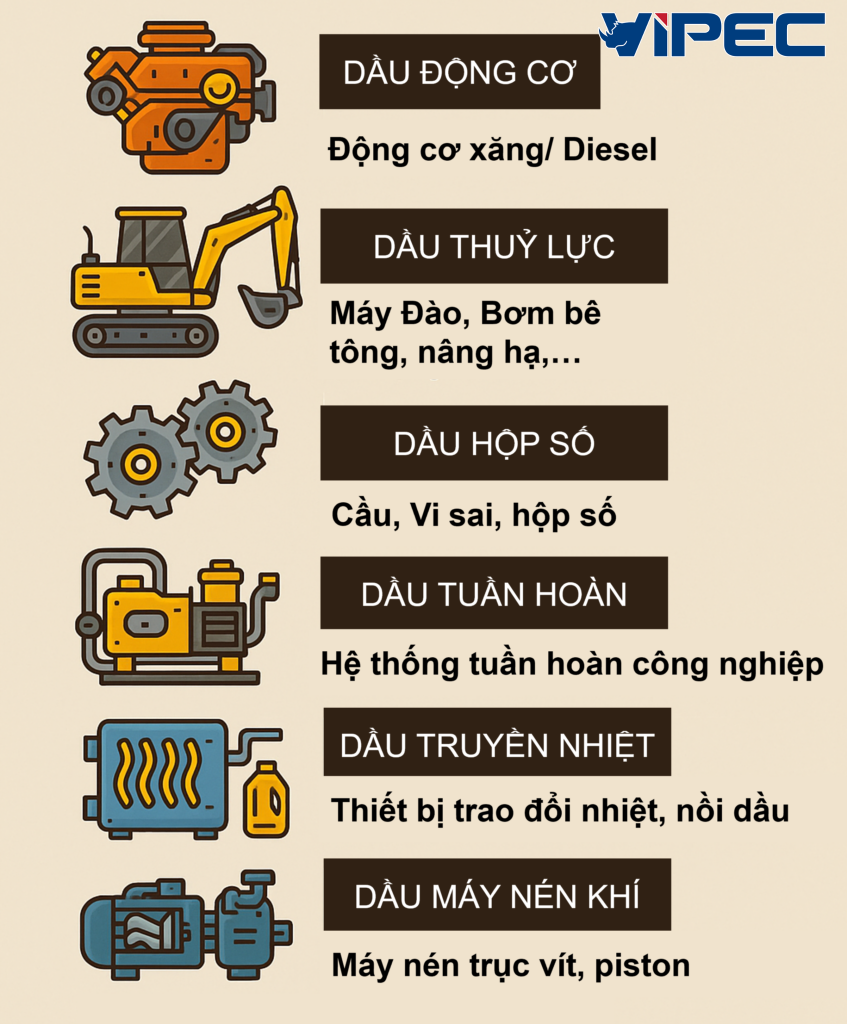
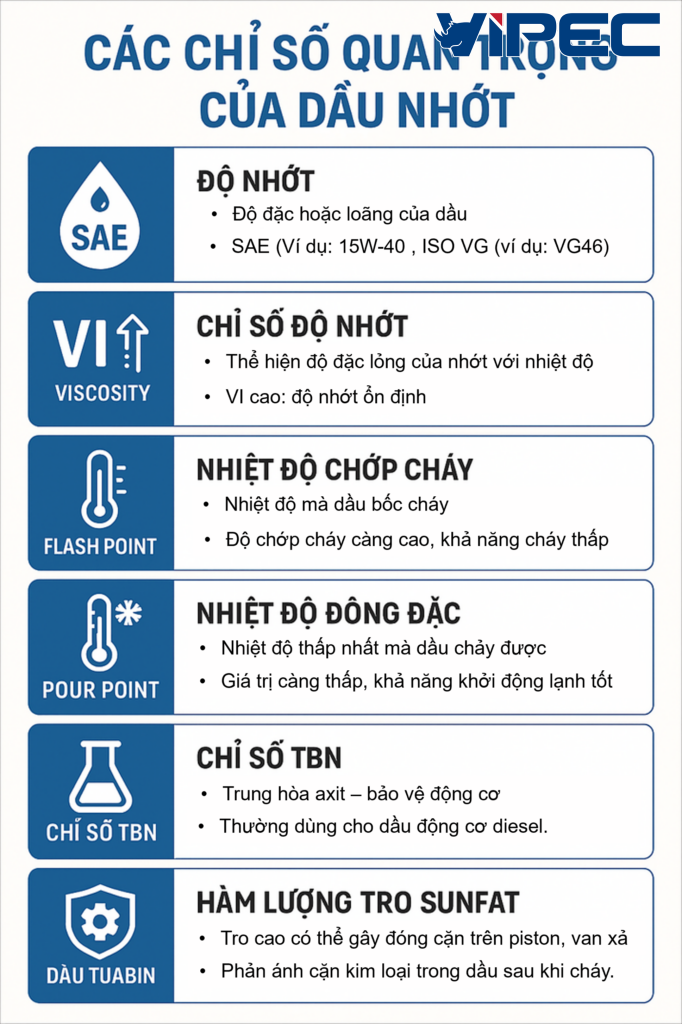
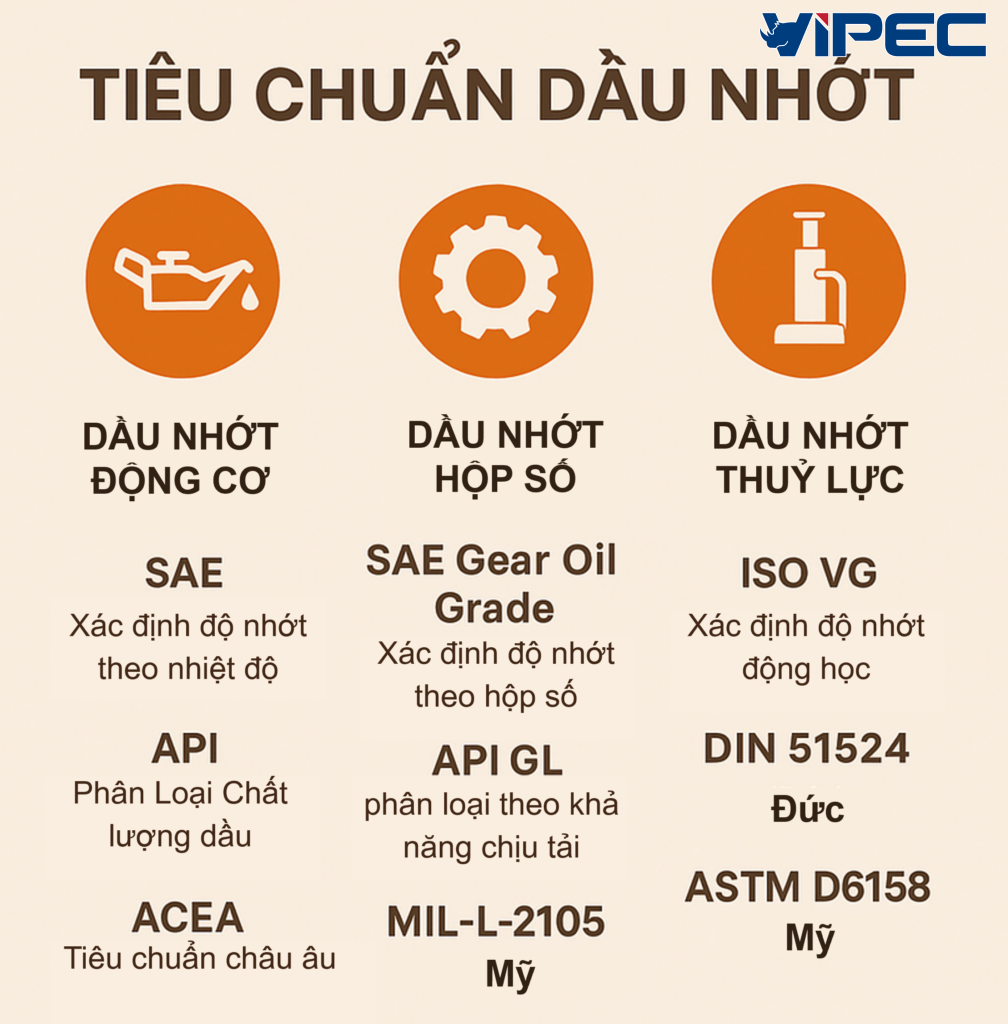
a. SAE – Viscosity Grade
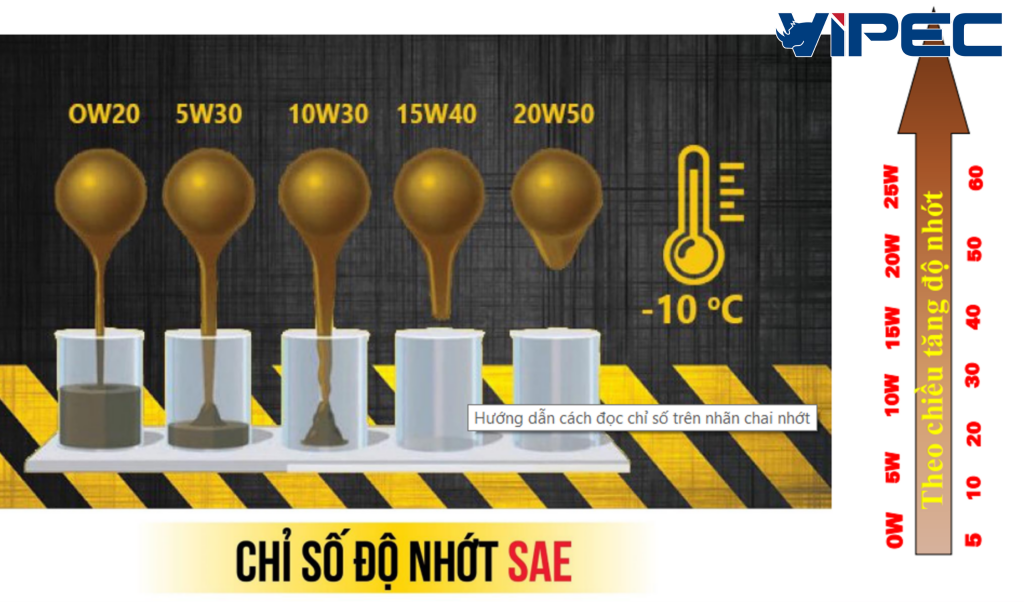
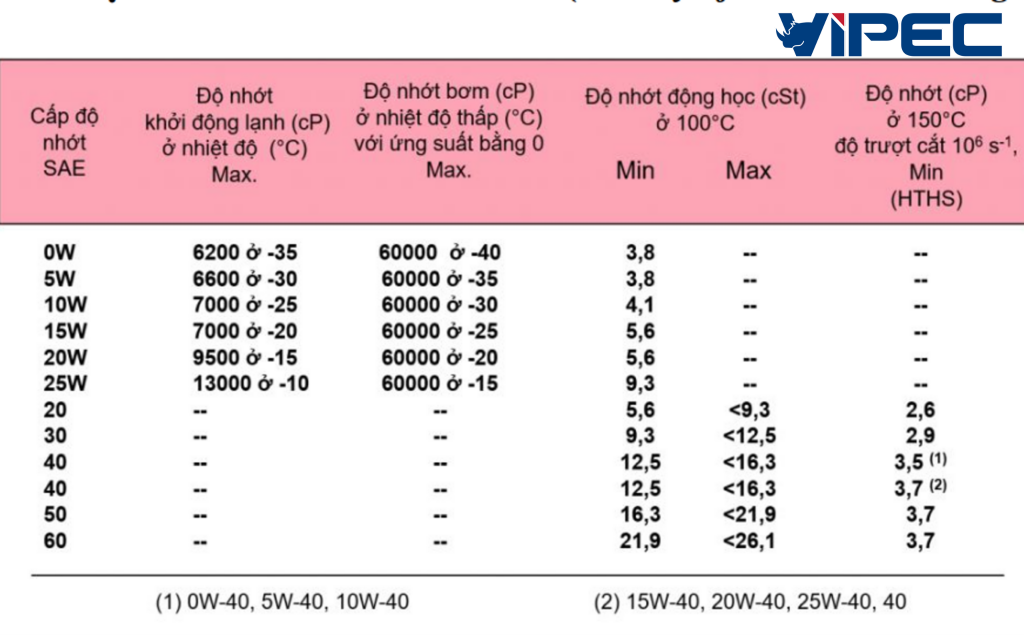
SAE stands for Society of Automotive Engineers. This is the standard for classifying the viscosity of lubricating oil according to operating temperature – meaning the oil’s thickness/fluidity in cold and hot environments.
Example: SAE 15W-40, SAE 5W-30
| 15W | Low-temperature viscosity (winter): smaller number → easier cold start |
| 40 | High-operating temperature viscosity (~100°C): larger number → thicker oil film |
INTRODUCING VALVOLINE PREMIUM BLUE 7800
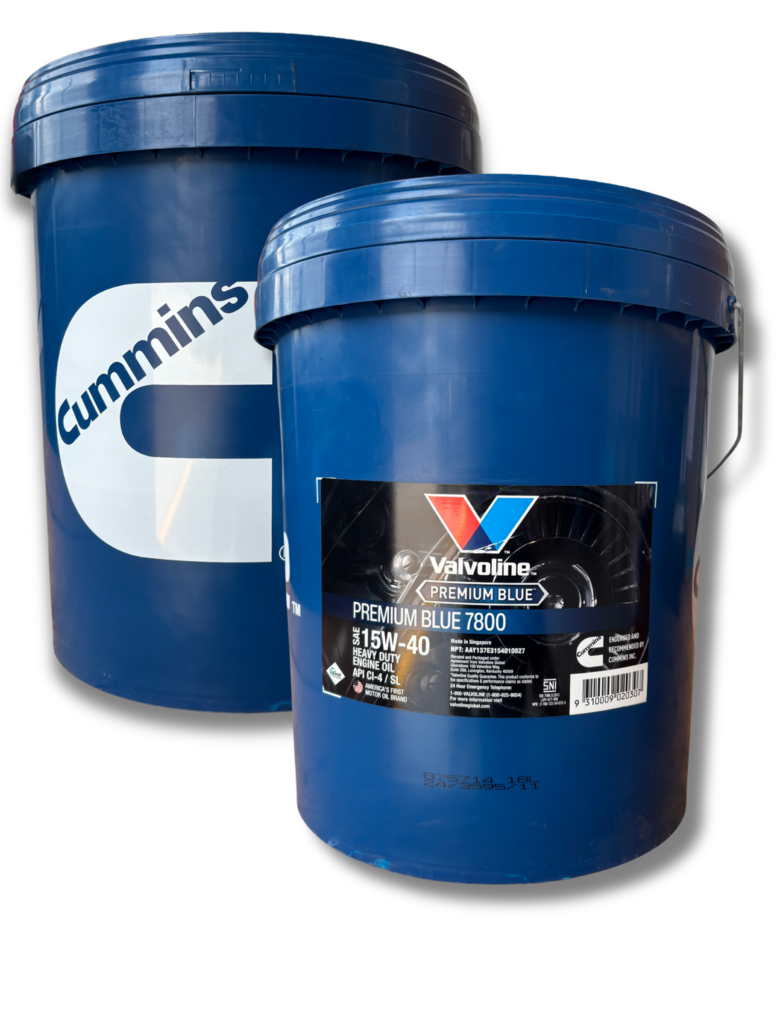
LINK SẢN PHẨM: https://dify.khonggianai.com/cua-hang/nhot-dong-co-cummins-valvoline-premium-blue-7800-15w40-api-cl-4/
* Dispersive Polymer Technology (DPT) is an additive and engine oil treatment technology developed to keep engines clean, reduce wear, and extend oil life. This technology is often applied in high-end engine oil lines such as Valvoline Premium Blue 7800 (co-branded oil with Cummins).- Special dispersive polymers are blended into the base oil.- These polymers adhere to dirt particles, soot, carbon deposits, etc., during engine operation.- They keep these particles suspended in the oil, preventing them from accumulating into deposits or sludge.- When the oil is changed, all deposits are drained with the oil, helping to keep the engine clean.EGR System: The purpose of EGR is, through recirculation, to return a portion of exhaust gas to the engine’s intake system under load conditions, thereby reducing the adiabatic combustion temperature and oxygen concentration in diesel engines, consequently reducing NOx (nitrogen oxides) emissions.
Hydraulic oil is not just a “power transmission fluid.” It is the backbone of every hydraulic pressure-operated system. Wherever there are pistons – pumps – valves – conduits, there must be an oil with the correct viscosity, proper features, and absolute stability over time.
If the wrong hydraulic oil is chosen → the consequence is not just “rough operation,” but: Pump burnout – valve failure – seal breakage – filter clogging – and even sudden system shutdown.
High VG is not always good – because the thicker it is, the more pressure the pump has to generate → consumes more fuel → generates heat.
🔹 Functions:
Transmit power in hydraulic systems.
Lubricate, reduce friction.
Anti-foaming, maintain stable pressure.
Protect pumps, valves, seals, ensuring safe system operation.
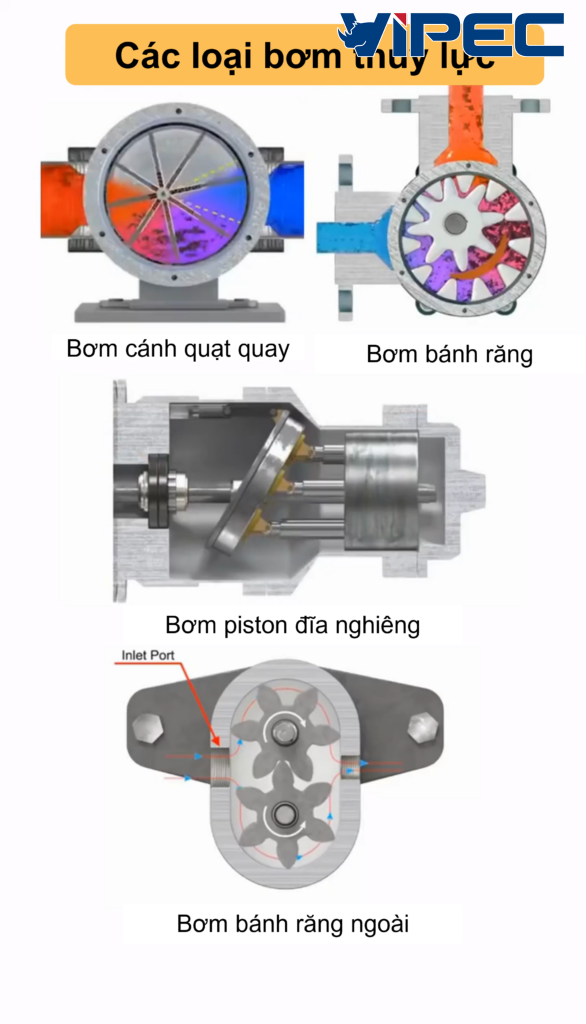
Important Indices
1. ISO VG (Viscosity Grade): VG32, VG46, VG682. VI (Viscosity Index): high → thermal stability3. Additive system: ZDDP hoặc Zinc-free, ASTM D943, ISO 4406
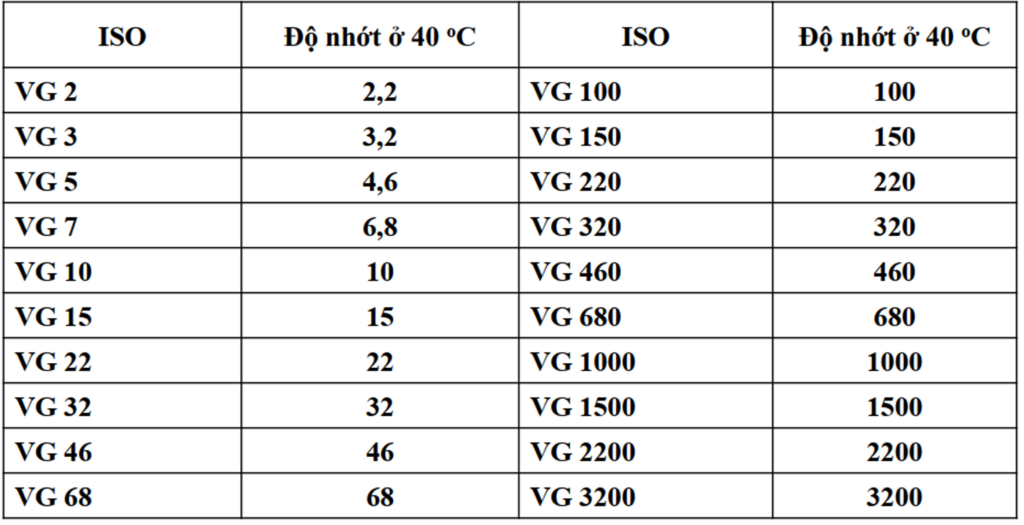
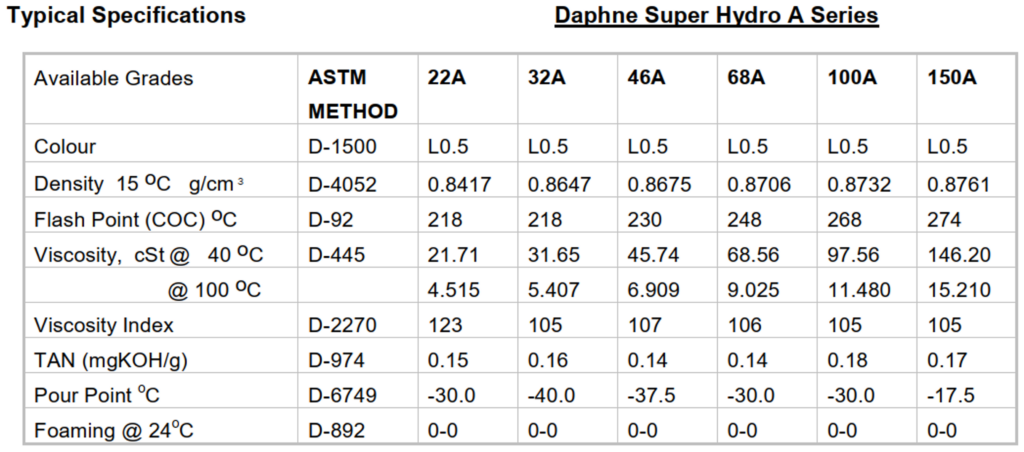
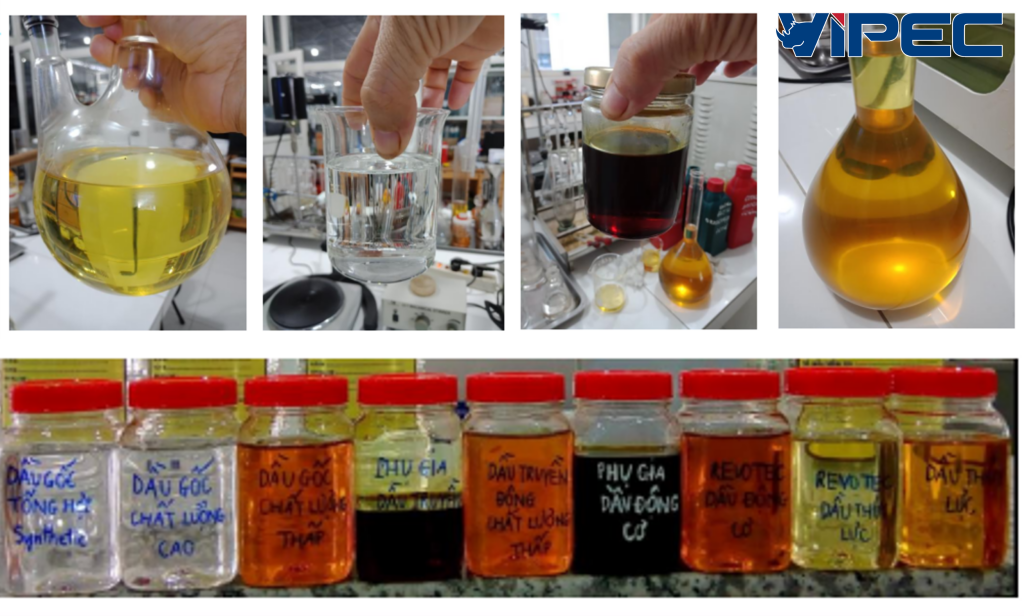
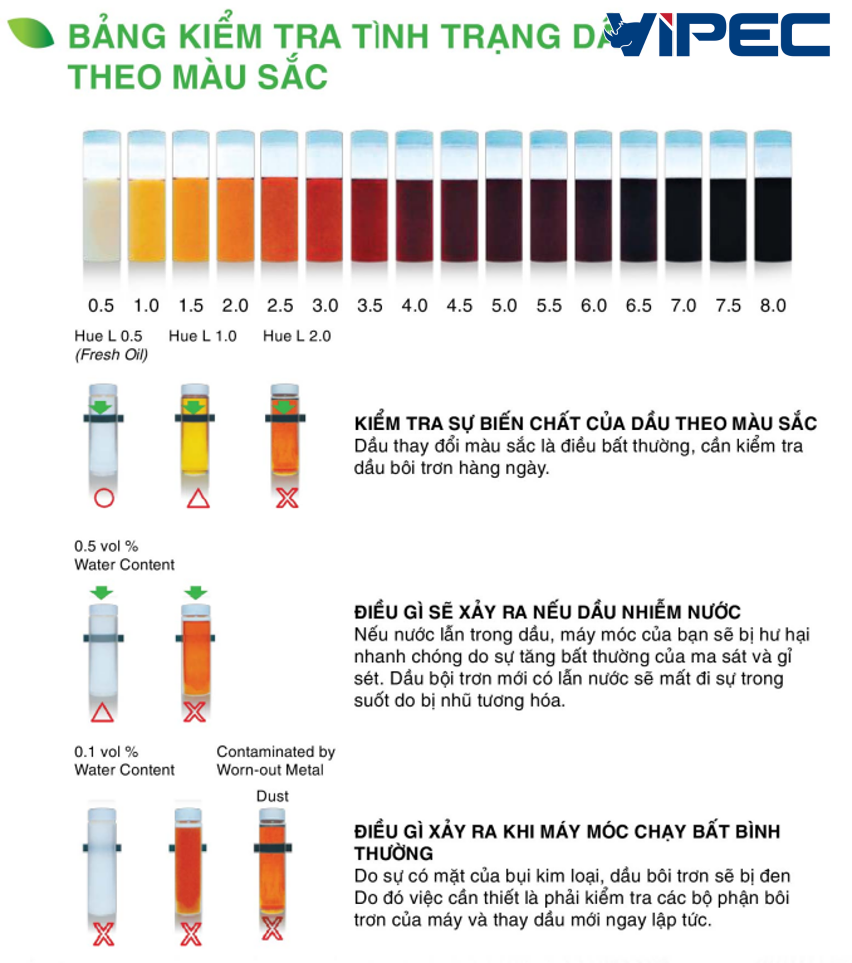
1. Colour (D-1500): All indicate L0.5 → the oil has a very light color, almost transparent like water, indicating clean and high-quality base oil, easy to control cleanliness in the system.
Meaning/Application:L0.5 Almost transparent – New, clean oil, used in modern systems.L1.0 – L2.0 Light yellow – Common in regular hydraulic oil.L2.5 – L4.5 Dark yellow – Oil with additives, sometimes slightly contaminated.L5.0 and above Dark brown, red – Could be re-refined oil or contain special additives.
2. Density @ 15°C (D-4052): Density increases with oil thickness (higher VG → heavier). Higher density = stronger power transmission capability, but requires higher pump power.
3. Flash Point (D-92): High flash point ensures safety when working at high temperatures, good fire and explosion resistance.
4. Viscosity (D-445): cSt @ 40°C: Is the viscosity at normal temperature (40°C) – close to when the machine starts running. Represents the initial “thickness/fluidity.”
cSt @ 100°C: Is the viscosity at high hot temperature – when machinery operates for a long time. Helps evaluate whether the oil maintains its lubricating properties when hot.
5. Viscosity Index – VI (D-2270): Higher VI → oil changes viscosity less with temperature changes, more stable in harsh working environments.
6. TAN – Total Acid Number: Lower TAN value → oil has high chemical stability, does not cause system corrosion.
7. Pour Point: The thinner the oil (low VG), the lower the pour point → suitable for cold environments. High VG should not be used in places with excessively low temperatures (as it thickens, making pumping difficult).
8. Foaming @ 24°C (D-892): All = 0-0 → excellent anti-foaming ability, ensuring stable hydraulic pressure, preventing air entrainment.
DAPHNE SUPER HYDRO A SERIES
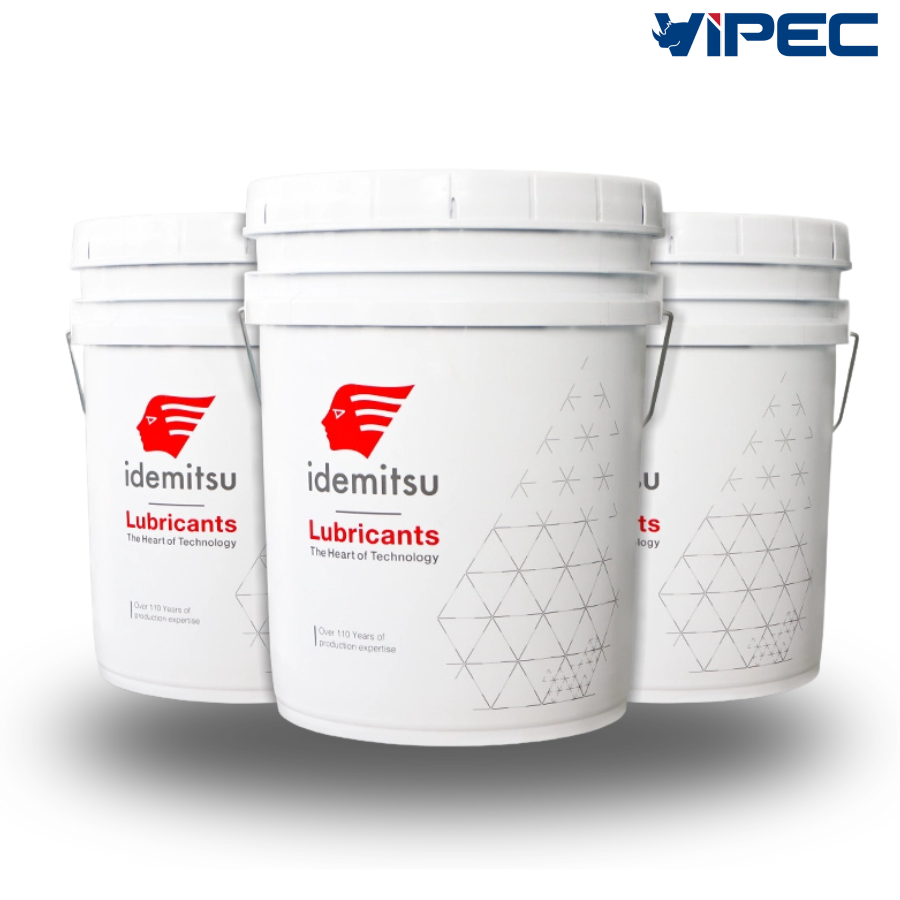
The Daphne Super Hydro A series of hydraulic oils are zinc-free hydraulic oils, formulated from hydrocracked refined base oils along with anti-wear, anti-oxidation, and various other additives, delivering superior performance for hydraulic systems.
Applications: Suitable for all hydraulic systems, especially those operating under high pressure and high temperature.
LINK SẢN PHẨM: https://dify.khonggianai.com/product-brand/idemitsu/
Outstanding Features:
(Paraffin is the name for a type of hydrocarbon with a straight-chain or branched-chain structure, a main component of mineral oil. Crude oil rich in paraffinic hydrocarbons makes good raw material for base oil production. This crude oil is then refined using various technologies to create different base oil groups.)
| Base Oil Group | Origin | Key Advantages | Disadvantages | Prevalence |
| Group I | Petroleum | Low cost | Poor performance, easily degrades | Declining |
| Group II | Petroleum | Balance between quality and cost, better oxidation resistance | Higher cost than Group I | Most common today |
| Group III | Petroleum | High viscosity index, good thermal stability | High cost, close to synthetic oil | Common in semi-synthetic and premium oils |
| Group IV (PAO) | Synthetic | Extremely high thermal stability, wide temperature range | Very high cost, poor additive solubility | Common in premium full synthetic oils |
| Group V (Ester…) | Synthetic | Specialized properties (polar, detergent) | Very high cost, limited compatibility | Rarely used as a main component, usually as an additive |
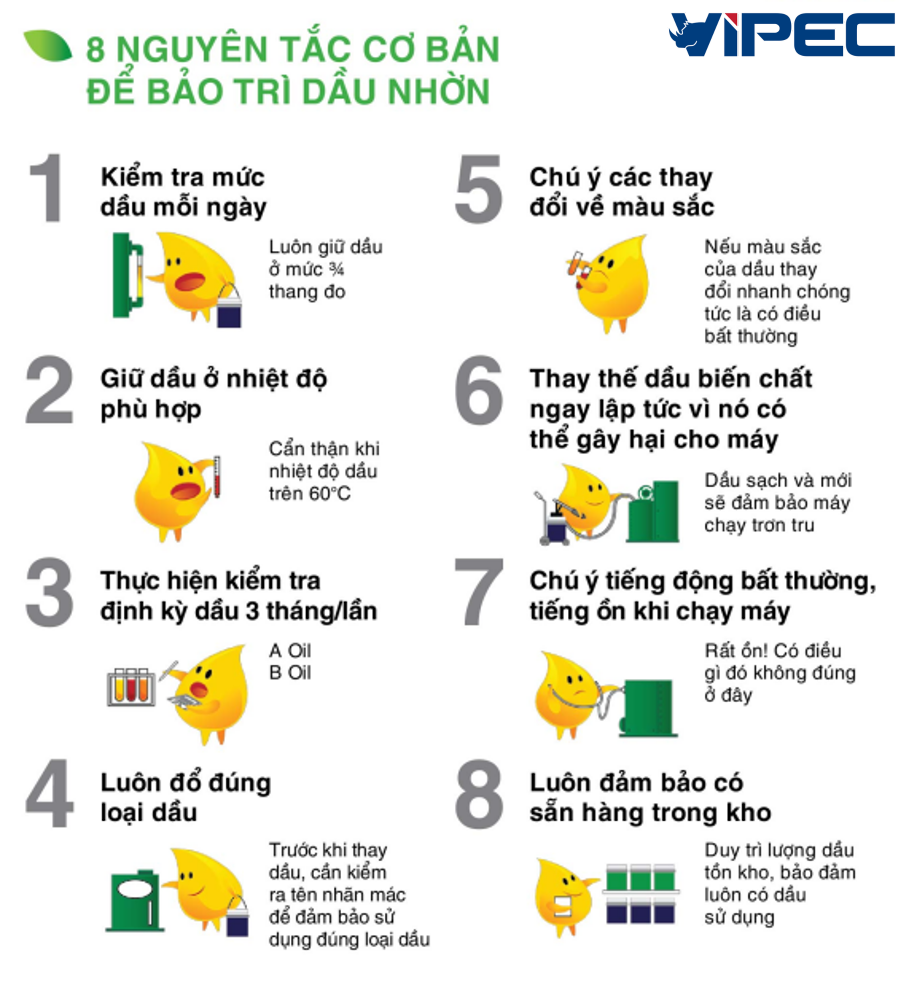
The ideal temperature for hydraulic oil is between 20°C – 60°C. But have you ever wondered what happens if the oil exceeds 60°C?
At that point, the first and most noticeable phenomenon is a rapid decrease in viscosity. The oil becomes thinner, its lubricating ability diminishes, leaving seals and other system components inadequately protected.
The oil film thins, and friction increases in pumps, valves, cylinders, and other components – leading to rapid wear.
Conversely, when the oil is at too low a temperature, viscosity increases, and flow is impeded. The system loses pressure, and pumps and motors have to bear greater loads right from startup, potentially even causing difficult starting or mechanical damage.
All of this shows that: inappropriate oil temperature is the “silent enemy” of hydraulic systems.
Therefore, during every operation and maintenance, always remember: maintaining hydraulic oil within the standard temperature range is the key to extending equipment lifespan and ensuring optimal performance.
WHEN TO CHOOSE THICK OIL?
Old engines: Used for engines that have been in use for many years, with significant wear. Thick oil helps protect engine components better by maintaining a thick oil film and sealing gaps, reducing noise.
• Harsh operating conditions: When vehicles operate in hot environments or under heavy loads, thick oil helps resist degradation and maintain performance.
• Hot weather: On hot summer days, thick oil can help the engine run more smoothly without overheating.
--> USE THICK OIL FOR SEALING PURPOSES
WHEN TO CHOOSE THIN OIL?
New engines: Used for new engines, with tight components that require quick lubrication. Thin oil offers less resistance to lubrication, helping the engine start easily.
• Low temperatures: Thin oil is often chosen when ambient temperatures are low, as it can quickly pump to engine parts upon startup, providing better engine protection.
• Urban vehicles: In urban conditions with frequent stops and starts, thin oil helps maintain performance and improve fuel economy.
 Identifying Counterfeit, Low-Quality Lubricants
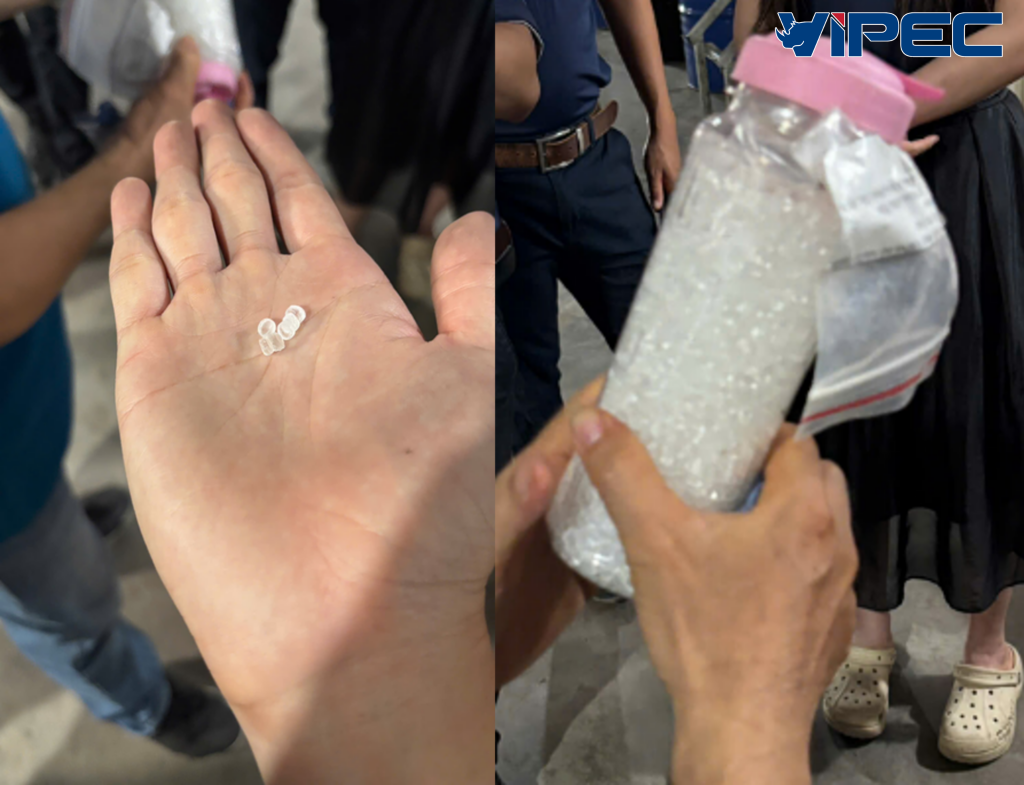
“Hydraulic oil VG68 sold for 28,000 VND/liter? Sounds like a bargain – but in reality, they blend in poly plastic to increase its thickness.”
a. Oil Blending with Poly Plastic (Polymer Thickeners)
| Issue | Description |
| 1. Polymer Chain Breakage | At high temperatures or high pressures, polymer chains easily break → sudden drop in viscosity → loss of lubricating ability |
| 2. Sludge Formation | Unstable poly plastic generates water-insoluble deposits, forming sludge → clogs oil filters, damages pumps, rusts pistons |
| 3. Falsifying Standards | Can fake viscosity to meet VG 68/100 but lacks anti-wear, anti-oxidation additives |
| 4. Poor Water Demulsibility | When contaminated with water, easily emulsifies → increases risk of rust, machinery damage |
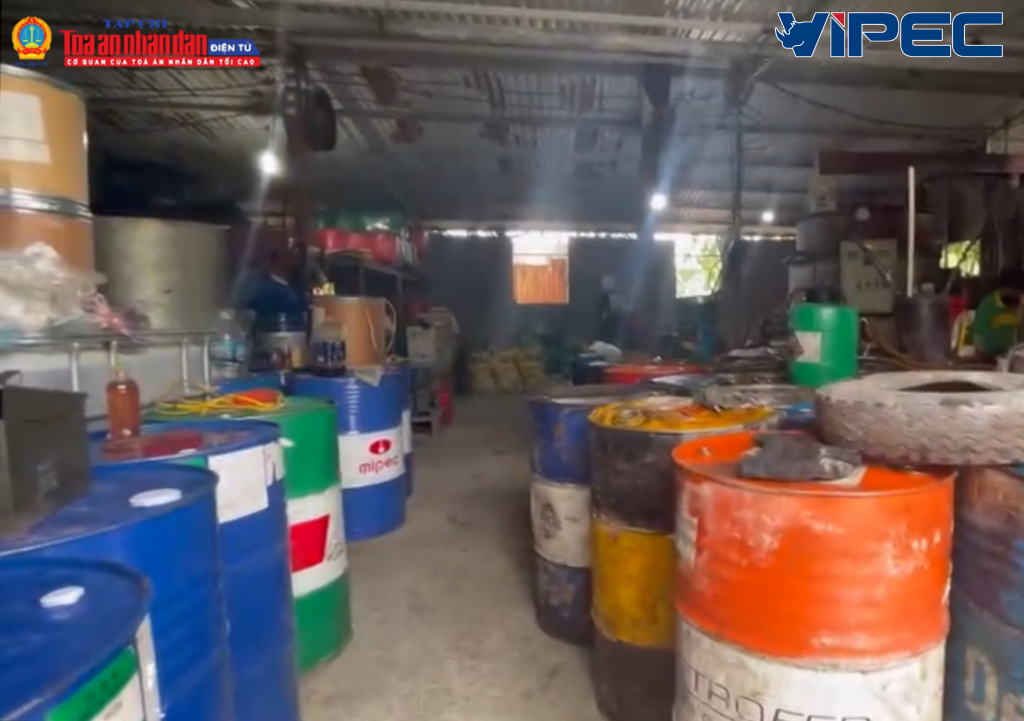
b. Re-refined Oil
Used lubricating oil → sediment filtration → simple treatment → reuse.
| Risk | Explanation |
| No additives left | Original additives have degraded after use → re-refined oil is almost just dirty base oil |
| Chemical and heavy metal contamination | May contain residual lead, zinc, acids, or oxidizers → causes corrosion of machine parts |
| Lack of quality control | Does not meet any API, ISO, SAE, or JASO standards → prolonged use will rapidly wear out engines or hydraulic pumps |
| High environmental impact | Using improperly treated re-refined oil can cause water, soil, and air pollution |
c. Harmful Effects
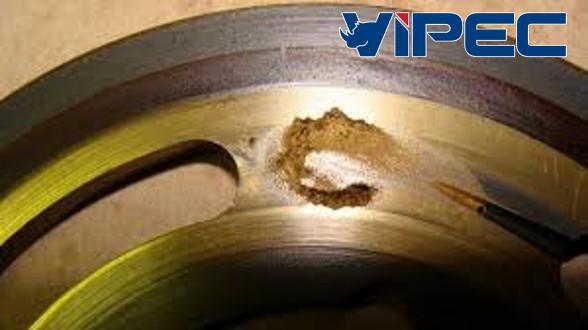
Cavitation:Cause: Liquid pressure drops below saturated vapor pressure → forms gas bubbles. Process:Sudden pressure drop at pump impeller, valve…Gas bubbles form and then collapse when entering high-pressure zones → creating shockwaves. Consequences:Wear, damage to pump impeller, pump shaft.Causes noise, vibration, reduced efficiency.
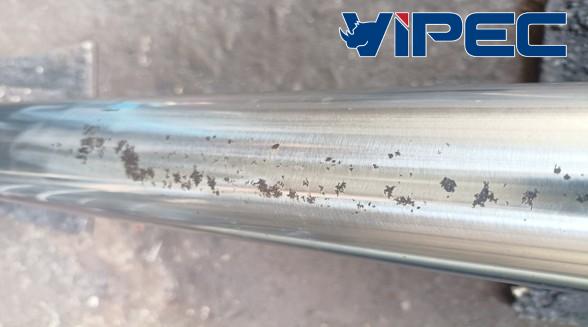
Erosion:Concept: Erosion is a form of wear caused by solid particles or gases in a fluid impacting metal surfaces.Causes:Erosion can occur due to various causes, including: The presence of solid particles, sand, or other abrasive materials in the fluid.The impact of high-velocity fluid streams on metal surfaces.Chemical corrosion due to substances in the fluid.Consequences: Causes pitting, erosion, perforation of metal surfaces. Reduces equipment lifespan and performance.
Question: If a pump is designed to use ISO 46 hydraulic oil with Vg = 28 cm³, what are the effects if ISO 68 hydraulic oil is used instead?
Answer:
Using ISO VG68 hydraulic oil instead of ISO VG46 in a German hydraulic pump designed for VG46 (with a displacement Vg = 28 cm³) will certainly cause many negative effects, as previously analyzed. More specifically for this case:1. Direct impact on the hydraulic pump (especially German pumps):Increased load on the pump: A pump designed for VG46 will struggle significantly more when pumping thicker VG68 oil. This means the pump will have to operate under a higher load than its design specification.Consequence: Causes faster wear of internal pump components (such as impellers, pistons, cylinders, swash plates…), especially at contact surfaces and small clearances.Increased heat generation: Internal friction within the oil and between moving parts increases due to the thicker oil, generating a significant amount of heat. Elevated oil temperature not only reduces oil lifespan but also affects seals and gaskets in the pump, leading to leaks.Reduced Volumetric Efficiency: Although thicker oil can reduce leakage through large clearances, for small clearances and systems optimally designed for VG46, excessively thick oil impedes flow. The pump will not be able to draw enough theoretical oil into the pump chamber, or will struggle to discharge oil, reducing the pump’s actual efficiency.Noise and vibration: The pump “struggling” with thick oil can cause louder noise and abnormal vibrations, indicating that the pump is overloaded.Risk of Cavitation: Although it may sound counterintuitive, excessively thick oil at low temperatures or during startup can struggle to flow quickly into the pump’s suction chamber, creating localized vacuum areas. This leads to cavitation, where gas bubbles form and collapse, causing pitting corrosion on metal surfaces and severe damage to the pump.2. Impact on the entire hydraulic system:Increased pressure and energy loss: VG68 oil will create greater resistance when flowing through pipes, valves, and filters, leading to significant pressure loss and energy waste.Slow response: Actuators (cylinders, hydraulic motors) will move slower, reducing machine productivity.System overheating: As mentioned, the overall system temperature will increase due to friction and energy loss.Impact on filters: Thicker oil can make filtration difficult, increasing pressure across the filter and causing it to clog faster.
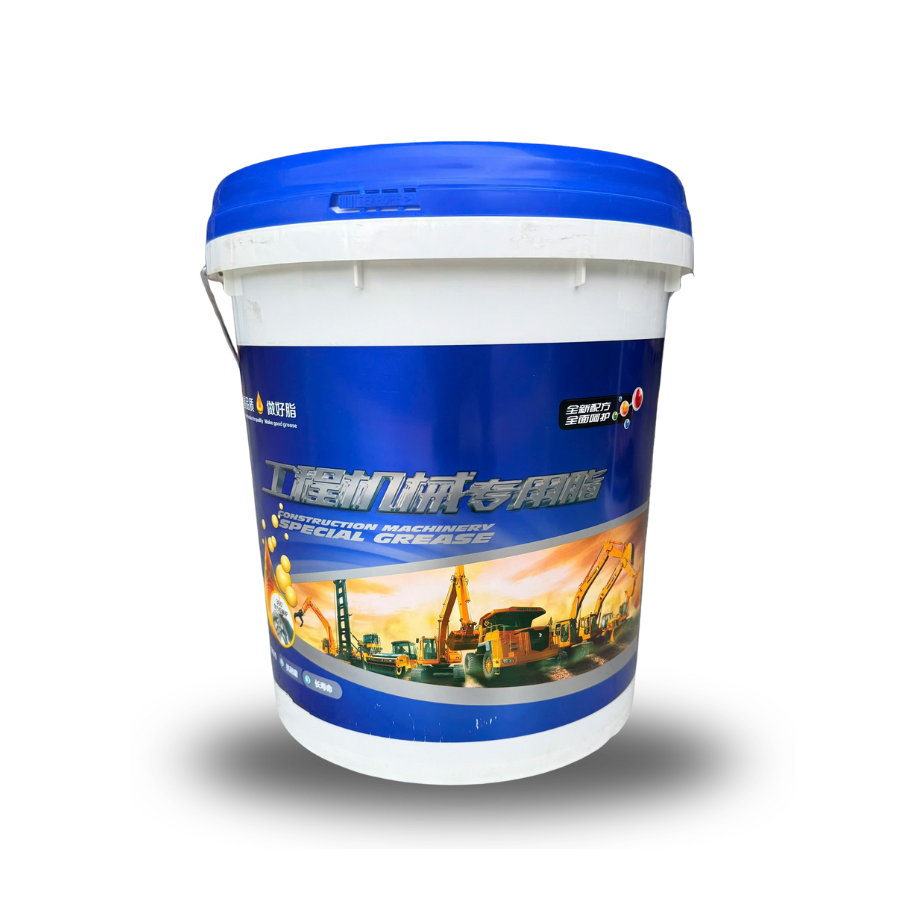
Lubricating grease is a thick emulsion consisting of:
Base Oil: typically accounts for 70–90%, can be mineral, semi-synthetic, or synthetic oil.
Thickener: accounts for about 5–20%, determines the “type of grease” (Lithium, Calcium, Polyurea, etc.).
Additives: about 1–5%, such as anti-wear, anti-oxidation, heat resistance, water resistance, etc.
| Grease Type | Characteristics | Typical Applications |
| Lithium Grease (Lithium Soap) | Most common, good heat resistance (~130–180°C), moderate water resistance | Motorcycles, trucks, bearings, electric motors |
| Lithium Complex Grease | Higher thermal stability (>200°C), good adhesion, heavy-duty | Construction equipment, specialized vehicles |
| Calcium Grease | Inexpensive, good water resistance but poor heat resistance (max ~80°C) | Slide bearings, slow-rotating plain bearings, wet equipment |
| Polyurea Grease | Non-soap, extremely long life, excellent oxidation resistance | Sealed motors, long-term maintenance-free equipment |
| Aluminum Complex Grease | Good adhesion, water and food resistant | Food processing equipment |
| Graphite, Moly (MoS₂) Grease | Extreme Pressure (EP) resistant, dry friction resistant | Heavy-duty bearings, construction vehicles |
| Silicone Grease | Super chemically stable, cold and heat resistant (-50 → >200°C) | Plastic valves, rubber O-rings, medical equipment |
🔹 Functions:
Long-lasting adhesion to metal surfaces.
Reduce friction in areas where oil is difficult to apply (ball bearings, plain bearings, ball joints…).
Water-resistant, anti-rust, heavy-duty.
Stable operation even in dusty or high-temperature environments.
Grease Composition Table
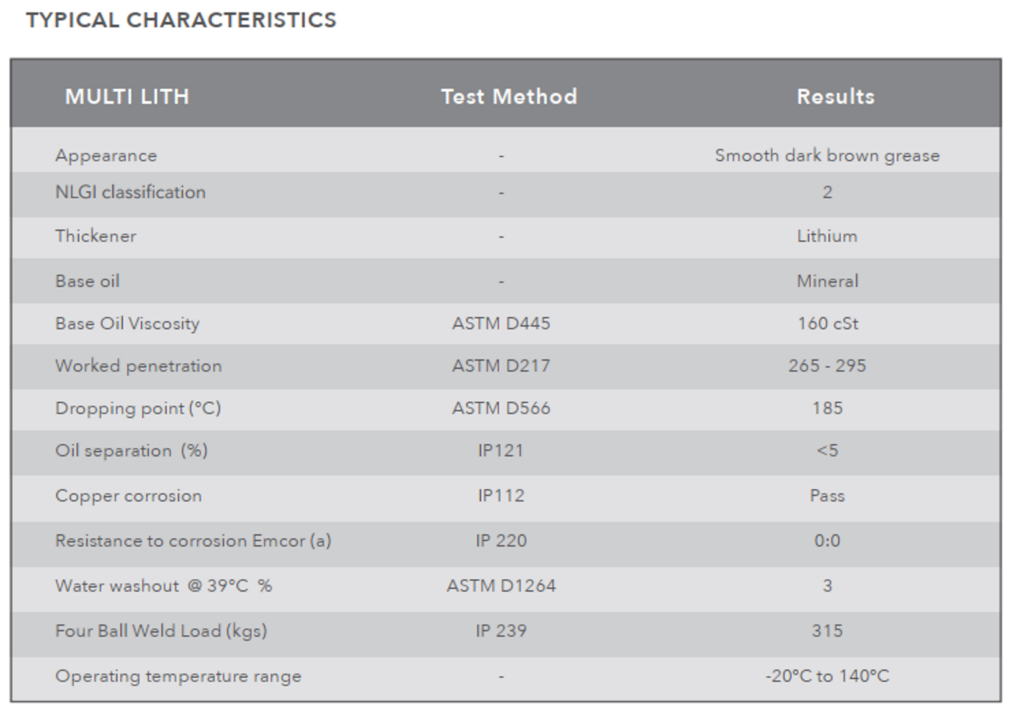
1. EP – Extreme Pressure
Meaning: Grease contains EP additives (extreme pressure anti-wear), which help protect metal surfaces under extremely high friction.Applications: – Heavy-duty ball bearings, plain bearings, industrial equipment, motor vehicles, presses, open gears.Typical additives: Sulfur-Phosphorus based, molybdenum disulfide (MoS₂).
EP2, EP3…: the number after EP indicates the consistency according to NLGI grade. For example:EP0: fluid, for automatic pumps.EP2: common, for manual grease guns.EP3: thicker, for hot environments.
2. MP – Multi-Purpose
Meaning: Multi-purpose grease, usable for various types of equipment and conditions.Features: Lubricates bearings, plain bearings, screw shafts… Has basic water resistance and anti-corrosion properties.Composition: usually lithium or calcium-based grease.
3. HP – High Performance / High Pressure
Meaning: Similar to EP but often features higher production technology, more stable.Applications: Equipment operating continuously under high loads, high speeds, or extremely harsh environments.
4. SP – Special Purpose
Meaning: Grease specifically designed for specialized applications,e.g., SP-Food: Food-grade grease (food safe), SP-High Temp: High-temperature resistant grease (>200°C),SP-Insulating: Dielectric (for electrical equipment).
5. LP – Low Pressure / Light Duty
Meaning: Grease used for light working conditions, not high pressure, no EP additives required.Applications: Household machinery, light tools, medium-speed bearings.
6. CG – Chassis Grease
Applications: Used for vehicle chassis, ball joints, tie rod ends – requires good water resistance and adhesion.
7. HD – Heavy Duty
Meaning: Grease used for construction machinery, heavy trucks, often contains EP, resistant to high vibration and impact.
LINK SẢN PHẨM: https://dify.khonggianai.com/cua-hang/mo-boi-tron-so-3-dam-dac/
Machinery, like the human body, cannot operate durably without “blood” to nourish it. Oil and grease are that “blood,” ensuring:
✅ Smooth engine operation, fuel economy.✅ Stable operation of construction equipment, industrial machinery.✅ Reduced damage, lower repair costs.✅ Extended equipment lifespan, increased return on investment.
At VIPEC, we provide genuine lubricating oils, hydraulic oils, and greases from leading global brands. Customers will receive advice on the most suitable oil for each machine type, ensuring long-term efficiency and safety.
Refer to more oil, lubricant, and grease product lines here: https://dify.khonggianai.com/danh-muc-san-pham/san-pham/dau-nhot-mo/
Presented by: Truong Thanh Hung
Compiled by: Bui Nguyen Xuan Phuong
03-2026

03-2026

03-2026

03-2026

03-2026