

There are no products in the cart!

In the history of the Vietnamese nation, Thang Long Imperial Citadel is a rare symbol of a power center that continuously existed for over a thousand years. In the history of global industry, Tadano is a testament to an enduring journey of over 100 years, starting from a small welding workshop to become a leading global crane brand.
On one side, a national heritage.
On the other, a technical standard of the era.
The two stories meet at a core value: maintaining a firm central position, to support and lead the whole.
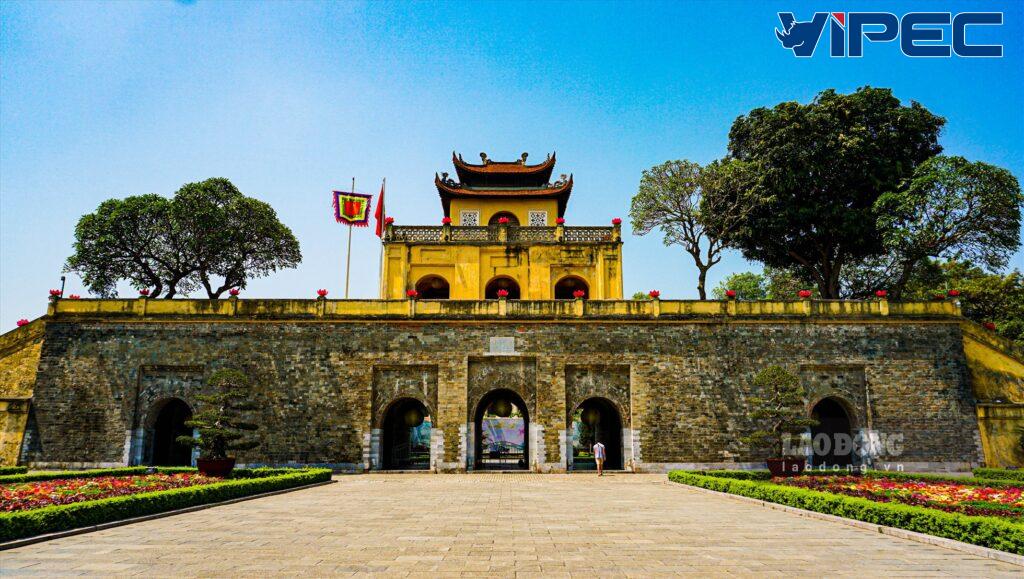
In 1010, King Lý Thái Tổ issued the Edict on the Transfer of the Capital, deciding to move the capital from Hoa Lư to Đại La Citadel and renaming it Thăng Long. This was a historical milestone that ushered in a new era: shifting from a closed defensive posture to a proactive, long-term, and sustainable development mindset.
According to historical records and research, Thăng Long was chosen for:
Its central location in the Northern Delta
High and dry terrain, vast land, less affected by natural disasters
Convenient waterway and land transport network, easy to connect the entire region
From then on, Thang Long Imperial Citadel became the political, military, and administrative center of the Lý – Trần – Lê – Mạc – Lê Trung Hưng – Nguyễn dynasties, serving as the nation’s brain for over 13 centuries – a particularly rare case in regional history.
A Constantly Evolving Power Center
What makes Thang Long Imperial Citadel particularly valuable is not just its longevity, but its continuous adaptability to historical changes:
Undergoing numerous expansions, reconstructions, and dynastic changes
Affected by wars and natural disasters, yet never losing its central role
Always the source of major political, military, and cultural decisions
Thang Long Imperial Citadel was therefore not a static center, but one that was constantly moving, coordinating, and controlling the entire nation.
A truly strong center is one that maintains a firm stance while continuously operating.
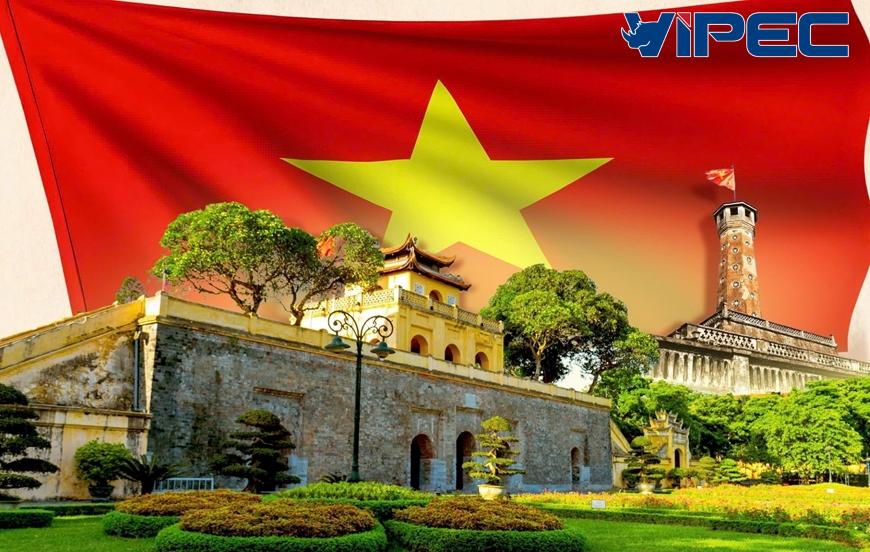
In modern infrastructure and industrial construction, central work areas are always characterized by:
Limited space
Numerous intertwined items/tasks
Requiring equipment that is powerful, flexible, and precise
Just like the ancient Thang Long Imperial Citadel – where every movement affected the nation’s destiny – modern construction sites require equipment capable of maintaining stable power, handling multiple tasks, and proactively adapting.
That is Tadano’s operating philosophy.
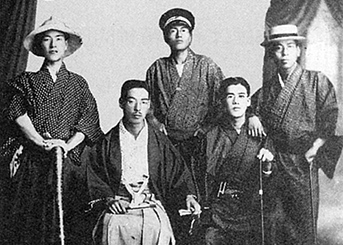
In 1919, in the cold region of Hokkaido (Japan), Mr. Masuo Tadano started his business with a small mechanical welding workshop. From that humble beginning, he carried a great aspiration:
“To create products that serve society by contributing to technical progress.”
It was this spirit of prioritizing social and technical value that shaped Tadano’s long-term development path. From its initial mechanical equipment, the company gradually researched, improved, and actively contributed to Japan’s post-World War II reconstruction.
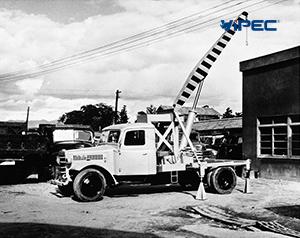
In 1955, Tadano achieved a revolutionary milestone by introducing the OC-2 – the first truck-mounted hydraulic crane manufactured in Japan, with a lifting capacity of 2 tons.
This was not just a new product, but:
A major advancement in hydraulic technology
An important tool accelerating infrastructure reconstruction
The foundation for Japan’s modern lifting equipment industry
From this point, Tadano officially defined its core expertise: safe – precise – mobile lifting.
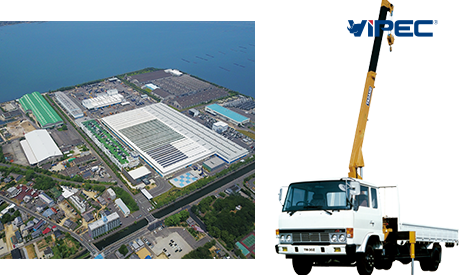
In 1960, Tadano exported its first batch of cranes to Indonesia, marking its entry into the international market. The products quickly gained recognition for their:
High durability
Stable performance
Strict safety standards
Key milestones that followed:
1970: Launch of the TR-150, Japan’s first hydraulic rough terrain crane
1972: Tadano listed on the Tokyo Stock Exchange, solidifying its national standing
1980s: Accelerated application of electronic controls, enhancing operational precision and safety
Tadano gradually became a symbol of Japanese technical standards in the lifting industry.
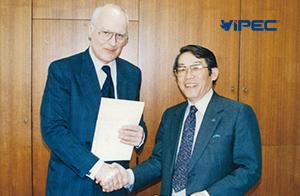
In 1990, Tadano acquired FAUN GmbH – a renowned German crane brand. This acquisition helped Tadano:
Significantly expand its European market presence
Access stringent EU technical standards
Complete its portfolio of high-end all-terrain cranes
From this point, Tadano officially joined the ranks of the world’s leading crane manufacturers.
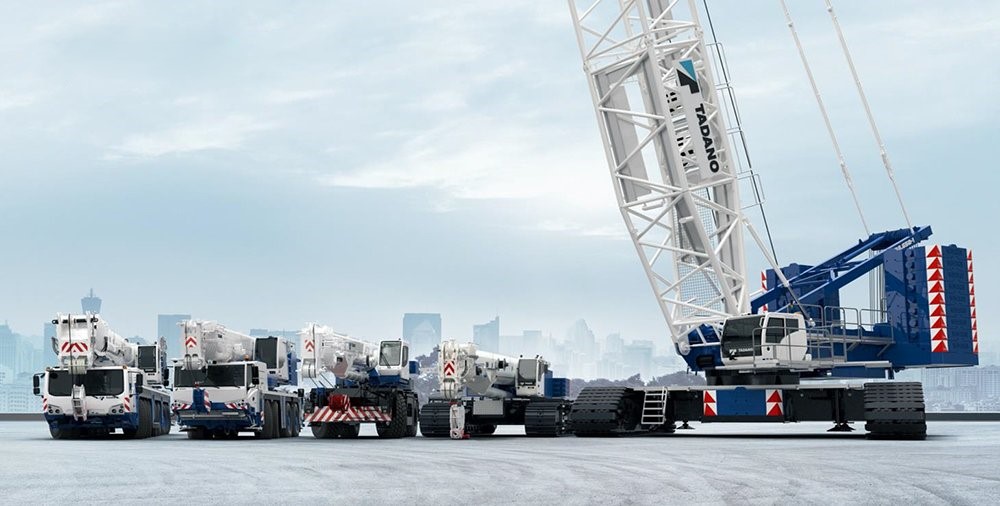
With over 100 years of development, Tadano is present in over 100 countries, offering a diverse range of lifting solutions:
Truck-mounted cranes
Rough terrain wheel cranes
Crawler cranes
All-terrain cranes for urban areas
Lifting solutions for oil & gas, bridges & roads, seaports, heavy industry
The slogan “Lifting Your Dreams” is not just about lifting capacity, but a commitment: to elevate projects, dreams, and the sustainable values of society.
Thang Long Imperial Citadel and Tadano share a timeless philosophy:
The center must be firm
Operations must be flexible
Every movement must be controlled
If Thang Long Imperial Citadel was where the nation’s destiny was orchestrated, then Tadano is the equipment that orchestrates construction at the heart of modern projects – where every lifting decision affects the entire system.
February – A Firm Stance to Elevate
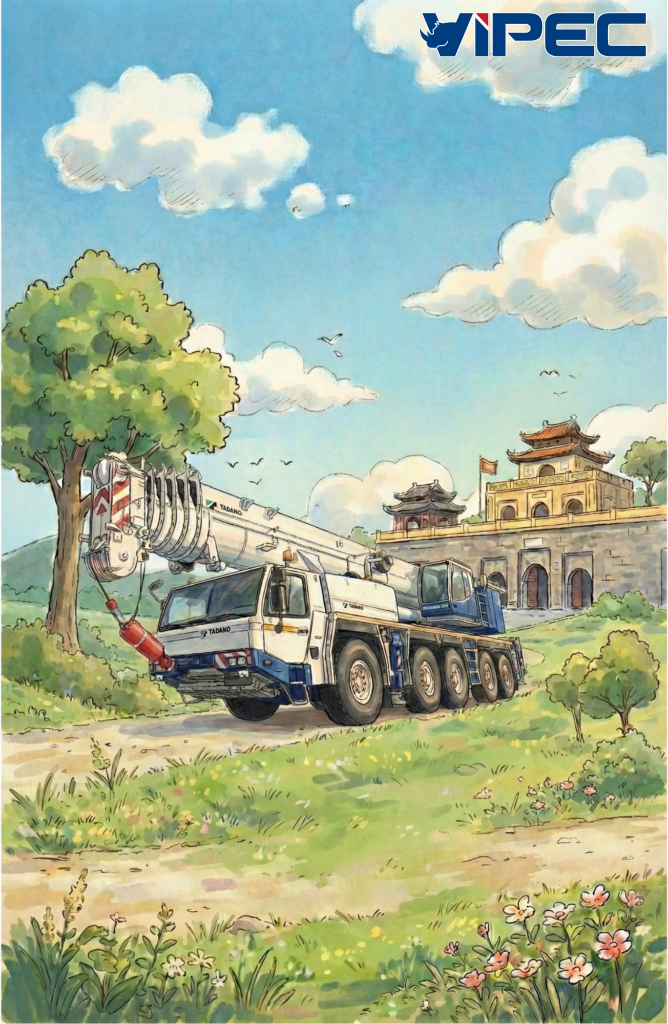
Thang Long, firm and majestic,
Tadano holds power, elevating to new heights.
From a millennium heritage to a century of technology, the journey of construction always requires values firm enough to endure.
03-2026

03-2026

03-2026

03-2026

03-2026